
Introduction
In the fast-paced world of construction and industrial development, the need for efficient and effective housing solutions for laborers is paramount. Lida Group’s economical easy assembling labor camp buildings in steel structure provide a practical answer to this demand. These structures are designed to be cost-effective, quick to assemble, and durable, making them ideal for temporary or semi-permanent accommodations for workers in various industries. This article will explore the features, benefits, design considerations, applications, and future trends of Lida Group’s labor camp buildings, highlighting their role in supporting workforce needs.
Overview of Lida Group
Company Background
Founded in 1993, Lida Group has positioned itself as a leader in the prefabricated building industry. With a focus on innovative design and high-quality construction, the company has successfully delivered numerous projects across multiple sectors, including construction, mining, and oil and gas.
Mission and Vision
Lida Group’s mission is to provide high-quality, sustainable building solutions that address the diverse needs of its clients. Their vision includes a future where prefabricated buildings are the preferred choice for efficiency and resilience in various applications.
Core Values
- Quality: A commitment to superior materials and manufacturing processes.
- Innovation: Continuous improvement and adoption of the latest technologies.
- Customer Satisfaction: Tailoring solutions to meet unique client needs.
- Sustainability: Prioritizing eco-friendly practices and materials.
Understanding Labor Camp Buildings
Definition and Features
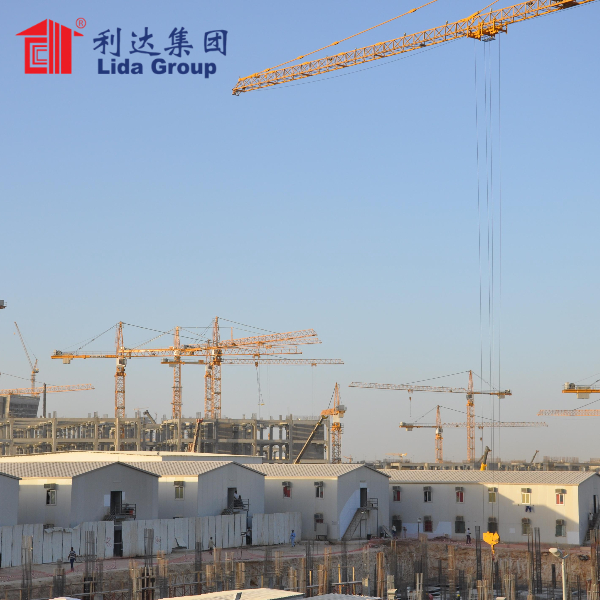
Labor camp buildings are designed to provide comfortable and functional accommodations for workers. Key features of Lida Group’s steel structure labor camps include:
- Modular Design: Prefabricated units that allow for quick assembly and customization.
- Durability: Steel construction ensures long-lasting and weather-resistant structures.
- Cost-Effectiveness: Designed to minimize costs while maximizing utility and comfort.
Types of Labor Camp Buildings
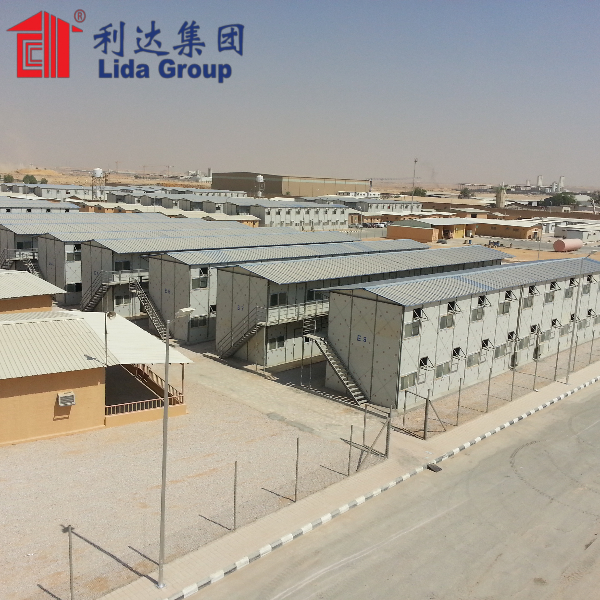
- Accommodation Units: Sleeping quarters designed for comfort and privacy.
- Dining Facilities: Common areas for meal preparation and dining.
- Recreational Spaces: Areas for relaxation and social activities.
- Office Spaces: Work areas for administrative tasks and management.
Advantages of Lida Group’s Labor Camp Buildings
Quick Assembly and Installation
One of the most significant advantages of Lida Group’s labor camps is their ease of assembly:
- Reduced Construction Time: Prefabricated components allow for rapid installation, minimizing downtime for projects.
- Less Labor Required: Simplified assembly processes reduce the need for a large workforce on-site.
Economic Benefits
Lida Group’s labor camp buildings provide substantial economic advantages:
- Lower Initial Costs: Economical design and materials contribute to reduced upfront investments.
- Operational Efficiency: Quick setup means laborers can be housed promptly, enhancing productivity.
Enhanced Safety and Durability
Safety is a key consideration in labor camp design:
- Robust Steel Structure: Steel is inherently strong and resistant to environmental factors, ensuring safety for occupants.
- Compliance with Safety Standards: Buildings are designed to meet local regulations and safety codes.
Flexibility and Adaptability
The modular nature of these buildings allows for extensive customization:
- Scalable Solutions: Additional units can be added as project demands increase.
- Adaptable Layouts: Configurations can be tailored to specific site needs and workforce sizes.
Design Considerations for Labor Camp Buildings
Engineering and Structural Design
The engineering behind labor camp buildings is critical for performance:
- Load Analysis: Assessments to determine how structures will respond to various loads.
- Material Selection: High-quality steel and protective coatings to enhance durability and resistance.
Aesthetic Considerations
While functionality is essential, aesthetics also play an important role:
- Modern Design Elements: Incorporating contemporary architectural styles to create appealing living spaces.
- Functional Interiors: Well-planned layouts that enhance comfort and usability.
Utility Integration
Effective utility integration is crucial for operational efficiency:
- HVAC Systems: Efficient heating, ventilation, and air conditioning systems for comfort.
- Electrical and Plumbing Systems: Thoughtful layouts to ensure accessibility and functionality.
Applications of Labor Camp Buildings
Construction Sites
Lida Group’s labor camp buildings are particularly beneficial on construction sites:
- Temporary Housing: Provide comfortable accommodations for workers during project duration.
- On-Site Facilities: Include dining and recreational spaces to enhance worker morale.
Mining Operations
In remote mining locations, labor camps are essential:
- Proximity to Work: Accommodations located close to mining sites to reduce travel time.
- Durability: Designed to withstand harsh environmental conditions.
Oil and Gas Projects
The oil and gas industry often requires temporary housing solutions:
- Mobile Units: Easily transported to various locations, accommodating fluctuating workforce needs.
- Safety Features: Built to meet safety standards required in hazardous environments.
Emergency Response
Labor camp buildings can also serve in crisis situations:
- Disaster Relief: Rapidly deployable structures for housing displaced individuals.
- Temporary Facilities: Provide essential services during recovery efforts.
Challenges and Solutions
Common Challenges
While Lida Group’s labor camp buildings offer numerous benefits, certain challenges can arise:
- Regulatory Compliance: Navigating local building codes can be complex.
- Initial Investment: Upfront costs may be a concern for some clients.
Mitigation Strategies
- Expert Consultation: Engaging local experts can simplify compliance with regulations and codes.
- Flexible Financing Options: Offering financing solutions can help manage initial costs.
Future Trends in Labor Camp Buildings
Technological Innovations
The future of labor camp buildings will be shaped by technological advancements:
- Smart Building Technologies: Integration of IoT devices for enhanced monitoring and energy management.
- Advanced Materials: Use of innovative materials that improve strength and sustainability.
Growing Market Demand
As industries expand, the demand for labor camp buildings is likely to rise:
- Increased Awareness: Growing recognition of the benefits of prefabricated solutions for labor housing.
- Government Support: Policies promoting the construction of efficient and sustainable labor camps.
Sustainability Focus
Sustainability will continue to be a driving force in construction:
- Eco-Friendly Designs: More buildings will incorporate green design principles and materials.
- Energy Efficiency: Integration of renewable energy solutions to reduce carbon footprints.
Conclusion
Lida Group’s economical easy assembling labor camp buildings in steel structure represent a significant advancement in providing efficient and durable housing solutions for workers. Their unique design, cost-effectiveness, and adaptability make them an ideal choice for various applications, including construction, mining, and emergency response. As the industry continues to evolve, Lida Group is positioned to lead the way in delivering innovative building solutions that meet the challenges of modern workforce needs. By prioritizing quality, flexibility, and sustainability, Lida Group is not just constructing labor camps; it is building a better future for workers around the world.
Contact Us
Post time: Jul-30-2024