
Introduction
As the global economy evolves, the demand for efficient and sustainable labor camps is growing. Labor camps serve as crucial accommodations for workers in various industries, including construction, mining, and oil and gas. Traditional housing solutions often fail to meet the modern needs of a mobile workforce, leading to a shift towards innovative alternatives. Lida Group, a pioneer in the prefabricated housing sector, is leading this transformation with its state-of-the-art prefab houses. This article explores the future of labor camps through the lens of Lida Group’s prefabricated housing solutions, highlighting their benefits, design features, sustainability, and real-world applications.
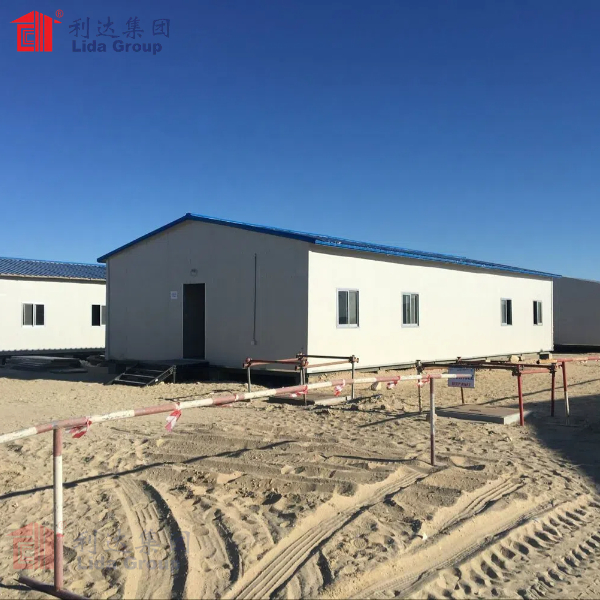
Understanding Labor Camps
What Are Labor Camps?
Labor camps are temporary or semi-permanent residential facilities designed to house workers who are engaged in projects away from their permanent homes. These camps are essential for ensuring that workers have access to safe, comfortable living conditions while they are on the job.
Importance of Labor Camps
Labor camps serve multiple critical functions:
- Providing Shelter: They offer secure and comfortable living conditions for workers in remote locations.
- Enhancing Productivity: Comfortable accommodations contribute to worker satisfaction and productivity.
- Supporting Operational Efficiency: Quick deployment of housing solutions helps companies meet tight project deadlines.
The Need for Innovation in Labor Camp Housing
Traditional Housing Challenges
Traditional labor camp housing often comes with several challenges, including:
- Slow Construction Times: Conventional building methods can delay the availability of worker accommodations.
- High Costs: Traditional construction can be expensive due to labor and material costs.
- Inefficiency: Fixed designs may not meet the diverse needs of different workforces.
The Shift to Prefabricated Housing
In response to these challenges, the industry is increasingly turning to prefabricated housing solutions. Prefab houses offer several advantages that address the shortcomings of traditional construction methods.
Lida Group’s Prefab Houses: A Game Changer
Overview of Lida Group
Lida Group is known for its innovative approach to prefabricated housing solutions, specializing in customizable and efficient designs tailored for labor camps. Their commitment to quality, sustainability, and worker comfort has positioned them as a leader in the industry.
Key Features of Lida Group’s Prefab Houses
- Rapid Construction: Prefab houses can be assembled quickly, allowing labor camps to be operational in a fraction of the time it takes to build conventional structures.
- Quality Control: Manufacturing houses in a controlled environment ensures high-quality standards and reduces defects.
- Cost-Effectiveness: Prefabricated solutions often result in lower overall construction costs through reduced labor and material waste.
Customization Options
Lida Group’s prefab houses are highly customizable, allowing clients to tailor designs to meet specific needs:
- Modular Designs: Units can be configured in various layouts to create larger living spaces or communal areas.
- Interiors: Clients can select from a range of interior finishes, amenities, and configurations to create comfortable living spaces.
- Sustainability Features: Options for energy-efficient systems and sustainable materials can be integrated into the design.
Design and Comfort Features
Comfortable Living Spaces
Lida Group’s prefab houses are designed with the comfort of workers in mind. Key features include:
- Private Living Quarters: Comfortable sleeping areas that provide privacy and relaxation after long working hours.
- Kitchen Facilities: Equipped kitchens or shared cooking areas to promote healthy meal preparation.
- Restrooms and Showers: Modern sanitation facilities that meet health and safety standards.
Safety and Security
Safety is paramount in the design of Lida Group’s prefab houses. Features include:
- Fire Safety: Built with fire-resistant materials and equipped with smoke detectors and fire exits.
- Structural Integrity: Designed to withstand local environmental conditions, ensuring safe shelter for workers.
Sustainability in Design
Lida Group emphasizes sustainable design principles by incorporating:
- Energy Efficiency: High-quality insulation and energy-efficient windows reduce heating and cooling costs.
- Solar Energy Options: Many designs can accommodate solar panels, allowing for renewable energy integration.
- Recyclable Materials: Materials chosen for their recyclability at the end of their lifecycle promote sustainability.
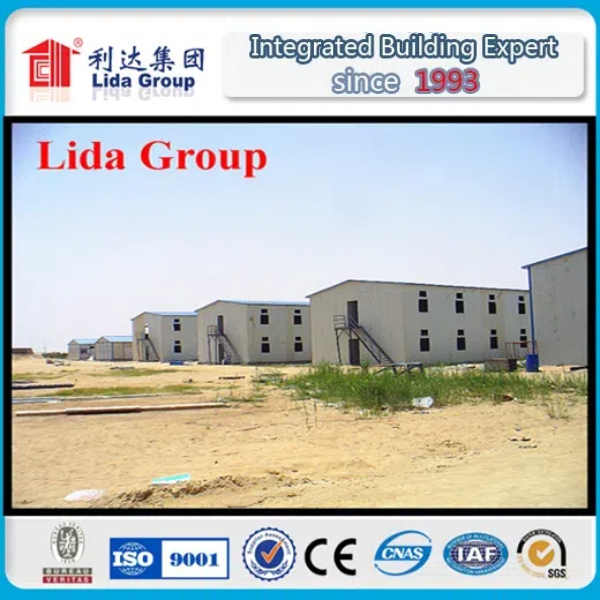
Applications of Prefab Houses in Labor Camps
1. Construction Industry
In the construction sector, labor camps are often established to house workers on-site for large projects. Lida Group’s prefab houses provide:
- Quick Deployment: Rapid assembly allows for immediate accommodation of workers, crucial for meeting project deadlines.
- Scalability: Additional units can be quickly added or reconfigured as project needs change.
2. Mining and Oil & Gas
In remote locations, the demand for labor camps is high, and Lida Group’s prefab houses offer:
- Durability: Designed to withstand harsh environmental conditions, providing reliable shelter for workers.
- Accessibility: Modular designs can be easily transported to remote sites.
3. Disaster Relief and Humanitarian Efforts
Prefab houses play a crucial role in post-disaster recovery efforts, providing:
- Rapid Response: Quick assembly allows for immediate housing solutions in disaster-stricken areas.
- Community Living: Flexible designs can accommodate families or groups displaced by disasters.
4. Temporary Housing for Events
For large events or festivals, prefab houses can serve as temporary housing solutions for staff and volunteers, offering:
- Convenience: Easy setup and takedown make prefab houses ideal for short-term uses.
- Comfort: Providing comfortable living conditions enhances the experience for event staff.
Case Studies
1. Infrastructure Project in a Remote Area
Lida Group was contracted to provide housing for workers on a major infrastructure project in a remote location. The solution included:
- Modular Units: A series of prefab houses were quickly deployed, allowing for a rapid setup of the labor camp.
- Community Facilities: Shared kitchens and recreational spaces were incorporated to foster a sense of community among workers.
2. Mining Operation Labor Camp
For a mining company operating in a challenging environment, Lida Group provided:
- Durable Prefab Houses: These units were chosen for their ability to withstand harsh weather and provide secure living conditions.
- Efficient Use of Space: Multi-story designs optimized the limited land available at the mining site.
3. Humanitarian Aid in Disaster Zones
In response to a natural disaster, Lida Group was able to deploy prefab housing quickly:
- Rapid Response: Within weeks, hundreds of prefab units were assembled to provide shelter for displaced families.
- Sustainable Solutions: The design incorporated energy-efficient systems, ensuring that temporary housing was both functional and sustainable.
Challenges and Solutions
Addressing Common Challenges
While prefab houses offer many advantages, challenges can arise in their implementation:
- Logistical Issues: Transporting prefab units to remote locations can be challenging.
- Solution: Lida Group employs specialized logistics teams to plan and execute the transportation of units, ensuring timely delivery.
- Site Preparation: Ensuring the site is ready for installation can delay projects.
- Solution: Offering site assessment services to prepare the location for rapid assembly of the housing units.
- Regulatory Compliance: Navigating local building codes can be complex.
- Solution: Lida Group works with local authorities to ensure all designs meet regulatory standards before construction begins.
The Future of Labor Camps
Trends Shaping the Industry
- Increased Demand for Flexibility: As projects evolve, the need for adaptable housing solutions will grow. Prefab houses can be easily modified or expanded to meet changing requirements.
- Focus on Sustainability: The shift towards greener construction practices will drive the demand for energy-efficient and sustainable housing solutions.
- Integration of Technology: The incorporation of smart technologies in prefab housing will enhance energy management, security, and overall living conditions.
Lida Group’s Vision for the Future
Lida Group is committed to leading the future of labor camps through continued innovation:
- Research and Development: Investing in R&D to create new materials and technologies that enhance the efficiency and sustainability of prefab houses.
- Global Expansion: Targeting emerging markets where labor camps are needed and establishing partnerships to better serve local needs.
- Community Engagement: Working closely with clients to understand their unique challenges and providing tailored solutions that meet their specific requirements.
Conclusion
The future of labor camps is being transformed by Lida Group’s innovative prefab housing solutions. With their ability to provide rapid, cost-effective, and sustainable living conditions, prefab houses are redefining how labor camps are constructed and operated. As the demand for efficient and adaptable housing continues to grow, Lida Group stands ready to meet these challenges, offering customizable solutions that benefit both workers and industries alike. The integration of modern design, sustainability, and technology in prefab houses will shape the future of labor camps, ensuring that they meet the evolving needs of the workforce in a rapidly changing world.
Contact Us
Post time: Dec-03-2024